

- Academic degree:
- Candidate of Medicine
- Academic title:
- acting Associate Professor
- Position:
- Director of Center for Continuing and Distance Learning
- 0(312) 56-59-78
- 92, Akhunbaev street, 720020, room #200
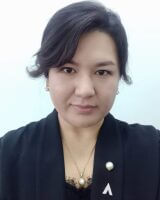
- Position:
- Head of the Continuing Education Sector
- 0(312) 56-59-78
- Akhunbayeva St., 92. Main building. room # 201
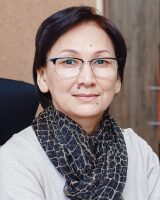
- Position:
- Head of the Distance Learning Sector
- 0(312) 56-59-78
- 92, Akhunbaev street, 720020, room #207
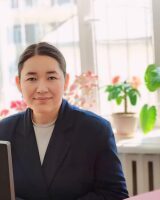
- Position:
- Specialist of the distance learning sector
- 0(312) 56-59-78
- 92, Akhunbaev street, 720020, room #207
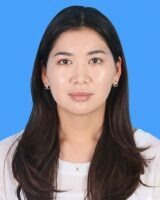
- Position:
- Specialist in the Continuing education sector
- [email protected]
- 0(312) 54 58 50
- 92, Akhunbaev street, 720020, room #221
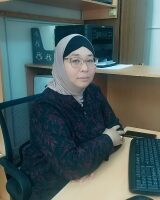
- Position:
- Specialist in the Continuing education sector
- [email protected]
- 0(312) 56-59-18
- 92 Akhunbaev Street, main building, room № 229
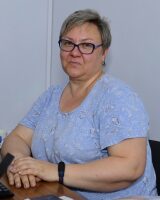
- Position:
- Distance sector multimedia technican
- [email protected]
- 0 (312) 54-46-10
- 92, Akhunbaev street, 720020, room #213
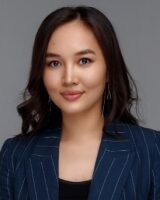
- Position:
- Specialist of the distance learning sector
- [email protected]
- 0(312) 56-59-78
- 92, Akhunbaev street, 720020, room #207
History:
In accordance with the resolution of the Council of Ministers of the Kyrgyz SSR No. 792-r dated December 23, 1963, the Faculty of Advanced Training of doctors was opened at KSMI.
From 1963 to 1965, three associate professors and three assistants worked at the faculty, working in 6 areas in the field of advanced training of doctors.
From 1966 to 1969, due to the increased requirements for advanced training of doctors and the need to increase their coverage, the referrals and staff of teachers were increased. The faculty has been improved in 13 specialties, the staff has been increased to 7 people.
In 1969, the faculty employed 50 people, including: – Professors – 3 people; – Associate professors – 12 people; – Candidates of medical sciences – 35 people.
In 1978, the Department of Therapy and Surgery was established on the basis of the Faculty of Advanced Medicine, and advanced training courses for doctors also included the dental direction. In general, professional development of doctors was carried out in 22 specialties.
In 2013, due to the development of new technologies and their implementation in various spheres of life, it became necessary to reform the faculty by establishing a Center for Advanced Training and Continuing Education. Professor A.H. Karasaeva was appointed Director of the Center.
In 2022, the center was transformed into a Center for Continuous and Distance Learning. Today, about 70 advanced training courses are conducted in the continuing education sector.
The distance learning sector provides online education through the Moodle platform (learning.kgma.kg ), including lectures, SRS and materials for pre-graduate/postgraduate studies.
Basic information about distance learning at KSMU:
Portal: https://www.learning.kgma.kg .
Registration: Students create an account, select a faculty/course, and enter a code word from the dean's office.
Content: The materials include lectures, practical lesson plans, and independent work (SRS).
Directions: Pre-graduate and postgraduate studies, courses in clinical medicine, pharmacy, etc.
Update: Tasks are updated, and a daily check of the portal is required.
Key functions of the distance learning sector:
Learning process management:Monitoring the compliance of curricula with standards, keeping records of academic performance.
Technical support: Organization of video conferences, online meetings, webinars via platforms (Zoom, Skype).
Interaction: Coordination of the work of teachers and students, residents, consultations on working with remote platforms.
In 20224, Aibek Sultanovich Ibraimov, PhD, Acting Associate Professor, was appointed director of the Central Research Institute.
- The Center for Continuing and Distance Education implements part of the educational and research goals aimed at improving and developing the pedagogical, scientific, medical and social competencies of KSMA by named I. Akhunbaev employees and medical workers.
- The Center for Continuing and Distance Education is designed to introduce advanced biomedical knowledge, prevention technologies, innovative diagnostic and treatment methods into healthcare practice in the Kyrgyz Republic.
Application
Required documents:
Doctors Without Borders
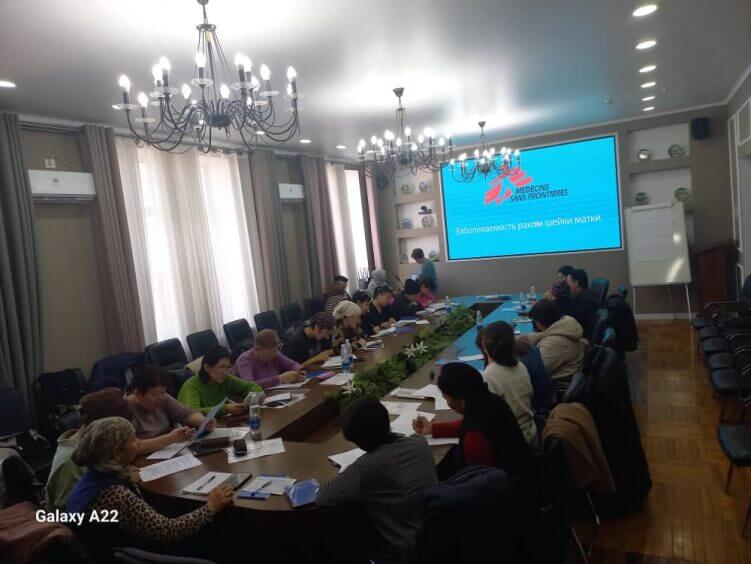
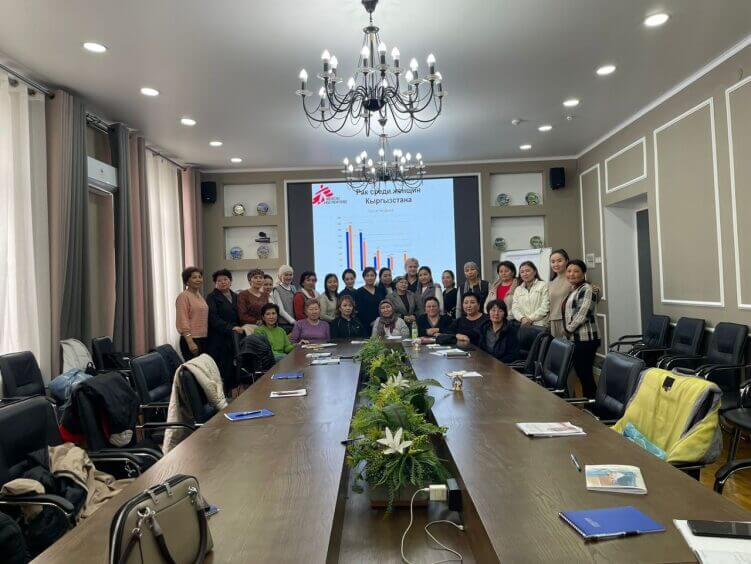
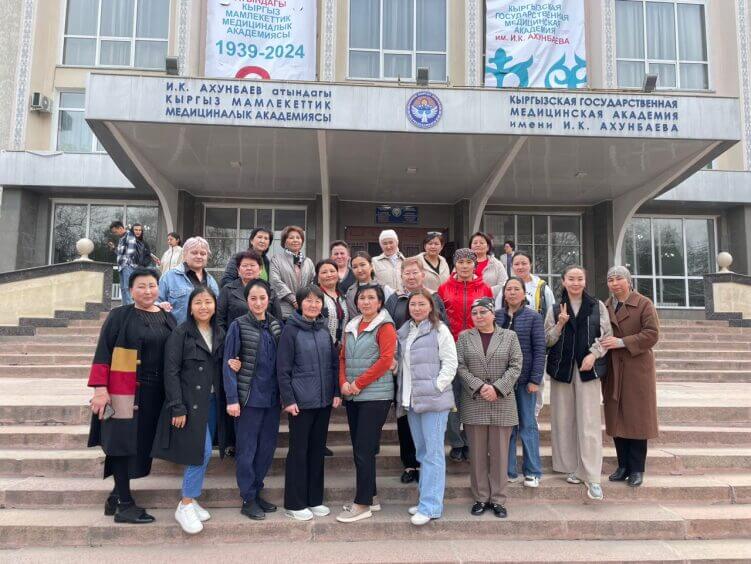
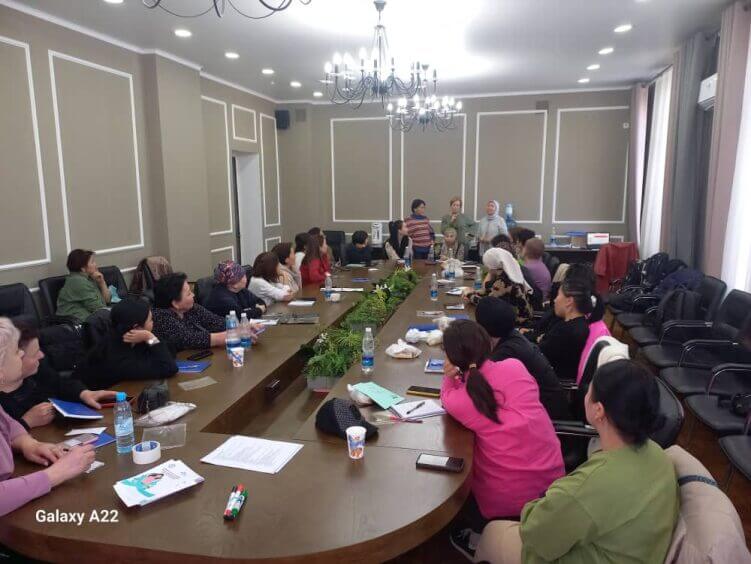
From April 1-5, 2024 at the educational and material base of KSMA named after. I.K. Akhunbaev organized a short-term training on screening for breast and cervical cancer for family nurses in health care organizations in the Isyk-Ata, Chui, Kemin districts and Tokmok city under the Doctors Without Borders - Switzerland project. Women's health project coordinator Andrea Isenegger and trainers trained participants in the prevention, treatment methods and reduction of cervical cancer incidence. Participants actively took part in the trainings.
Advanced Training Courses Completed at the Department of Biochemistry
Advanced training courses for instructors on the topic "Modern Biochemistry: From Classical Foundations to Molecular Medicine" have concluded at the Department of Biochemistry with a course in General and Bioorganic Chemistry named after A.J. Dzhumaliev at the I.K. Akhunbaev Kyrgyz State Medical Academy.
The 72-hour program covered current aspects of the transition from fundamental science to molecular medicine, as well as modern teaching methodologies. Colleagues from the following institutions participated in the training:
-
I.K. Akhunbaev Kyrgyz State Medical Academy (KSMA);
-
S. Tentishev Asian Medical Institute (AzMI);
-
"Avicenna" International Medical University (IMU);
-
ADAM University;
-
International School of Medicine of the International University of Kyrgyzstan (ISM IUK).
The department staff expresses its gratitude to the trainees for their high level of professionalism and active participation, which contribute to the development of medical education in the republic.
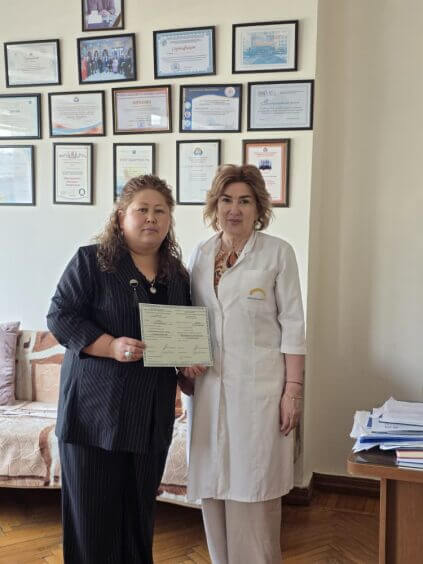
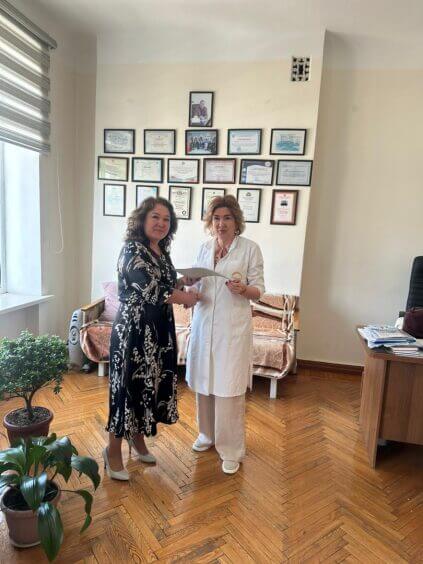
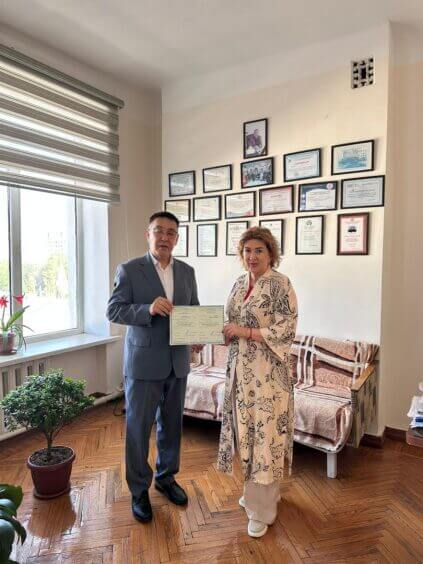
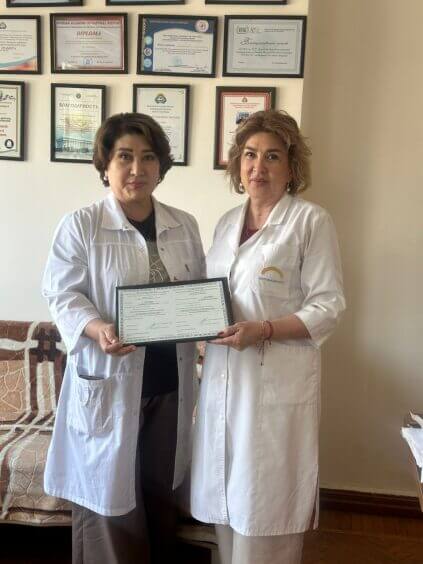
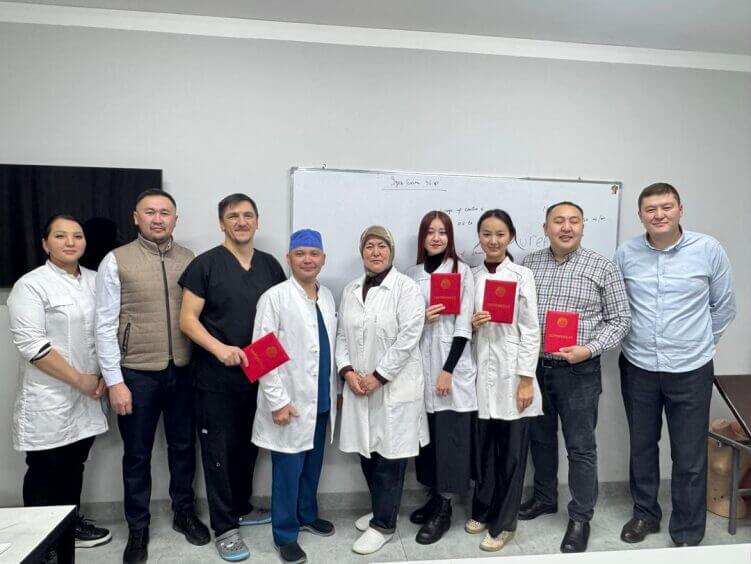
In February 2026, the Department of Orthopedic Dentistry, together with the Center for Continuing Education of the KSMА, conducted a refresher course for dentists of practical healthcare and staff of the department on the topic: "Topical issues of orthopedic treatment of complete secondary adentia." The course includes lectures and practical exercises, as well as independent work. Upon graduation, the cadets were given certificates. Lectures and classes were conducted by: Doctor of Medical Sciences, Professor, Head of the Department of Orthopedic Dentistry Kalbaev A.A. and Candidate of Medical Sciences Tyncherov R.R.
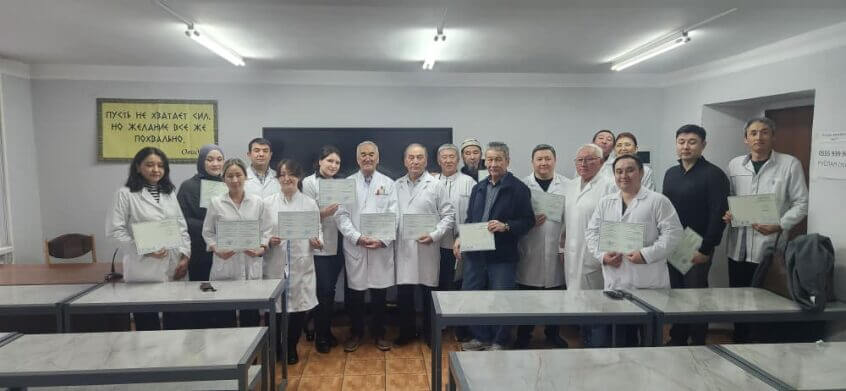
First aid training completed at KSMА
In March 2026, courses on the program of additional professional education "First aid in emergency situations" were successfully completed on the basis of the Center for Testing and Development of Clinical Skills (CTiRKN). The training was organized jointly with the Center for Continuing Education.
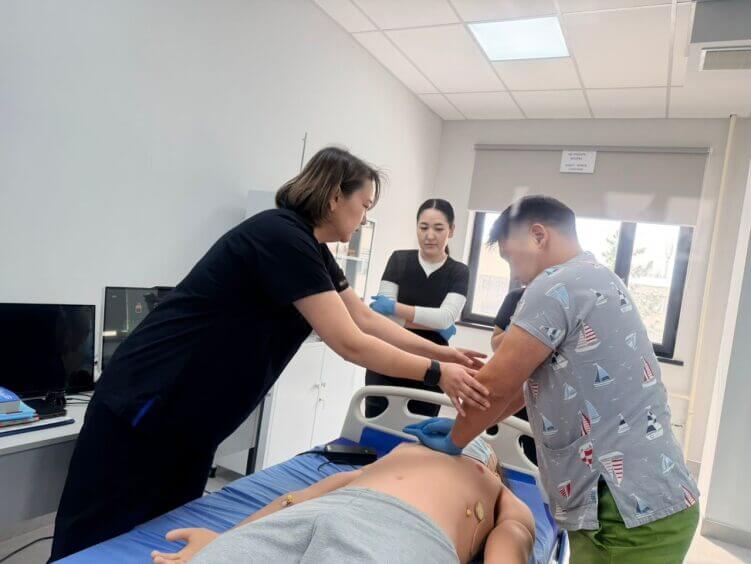
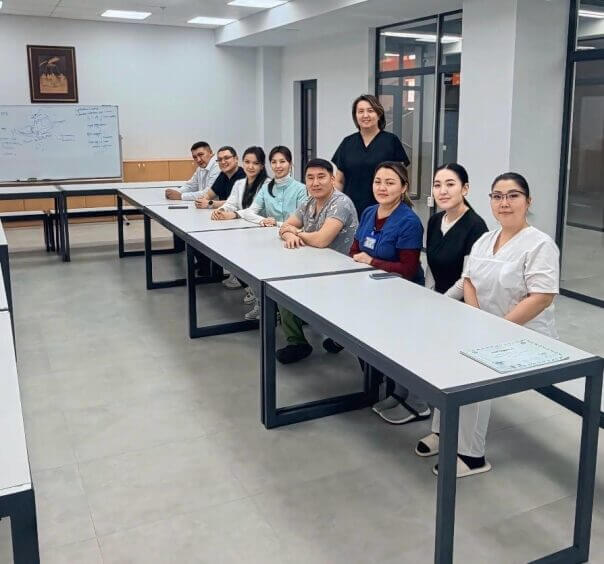
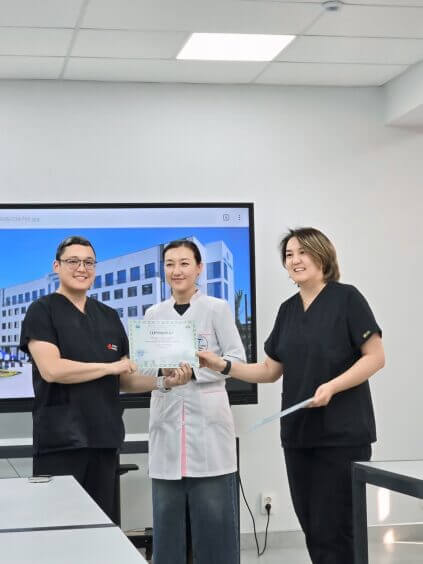
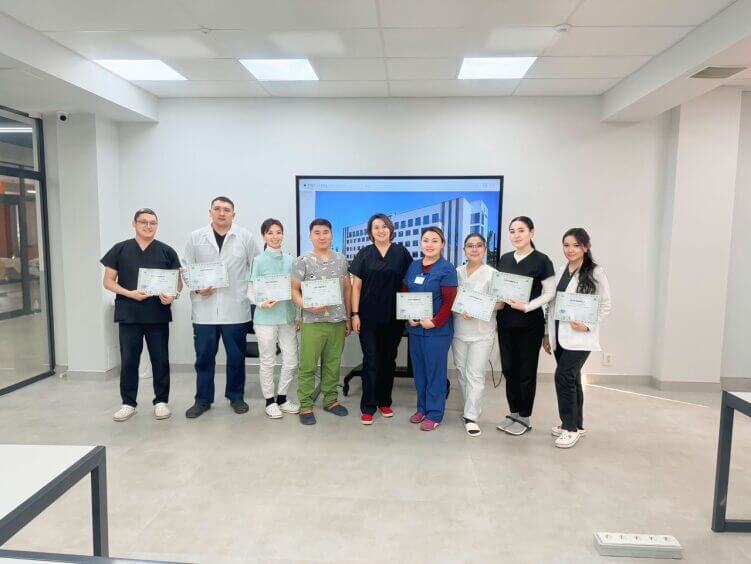
Advanced training courses for doctors are conducted at the Department of Dermatovenerology at the I.K. Akhunbaev KSMА.
The training takes place at the Department of Dermatovenerology and RCDV. Each course includes 72 hours. The number of listeners is from 8 to 10 in one group.
During the course, doctors are trained in new aspects of etiopathogenesis, clinic, diagnosis, treatment and prevention of relevant diseases.
The practical part takes place on the basis of the RCDV, where cadets actively participate in the analysis of interesting patients in consultations, conduct joint examinations in departments, and learn modern methods of treatment.
Lectures and seminars are conducted by the head of the department, MD Koibagarova AA, MD, Prof. Baltabaev M.K., Candidate of Medical Sciences, ass. Akhmedov M.T., Candidate of Medical Sciences, ass. Kozhanov A.S., Candidate of Medical Sciences, acc Churakaev M.V., acc. Shakirova A.T.
All students successfully pass the final certification, receive state-issued certificates and, accordingly, the knowledge gained during the course is further implemented and used in their practical activities.
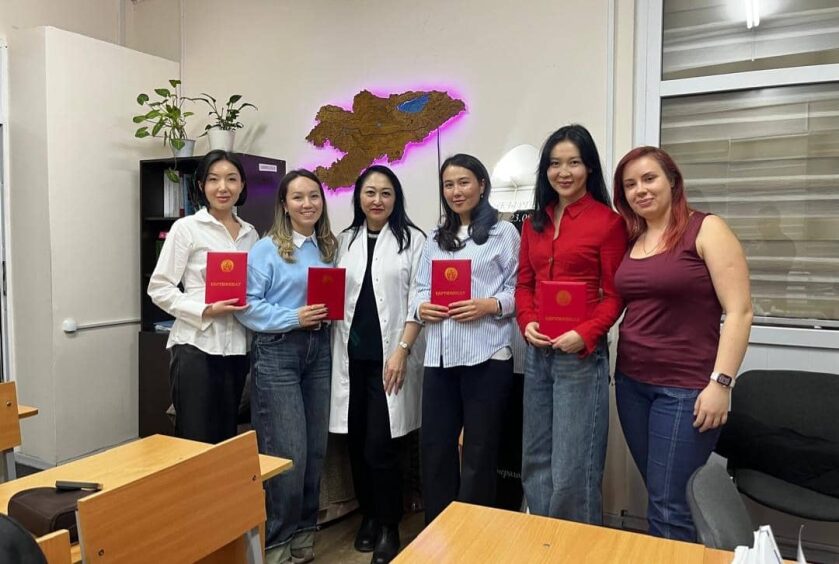
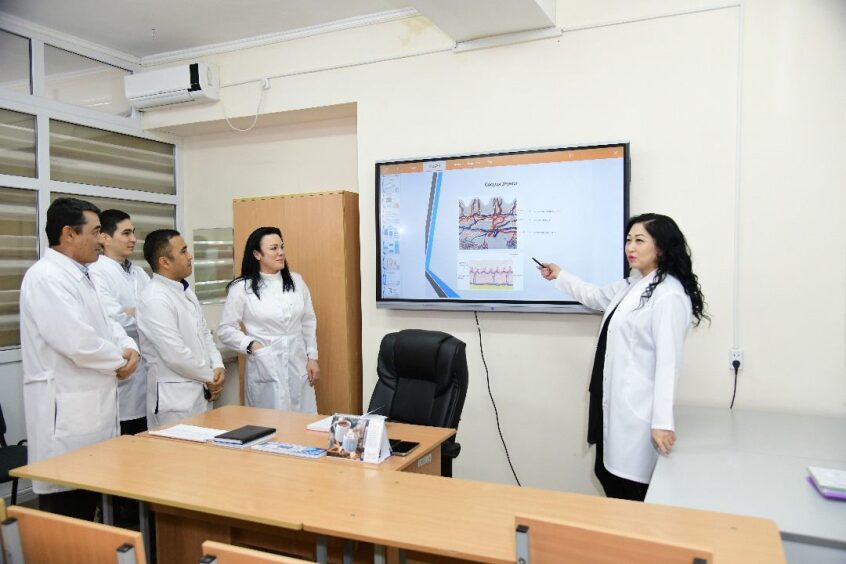
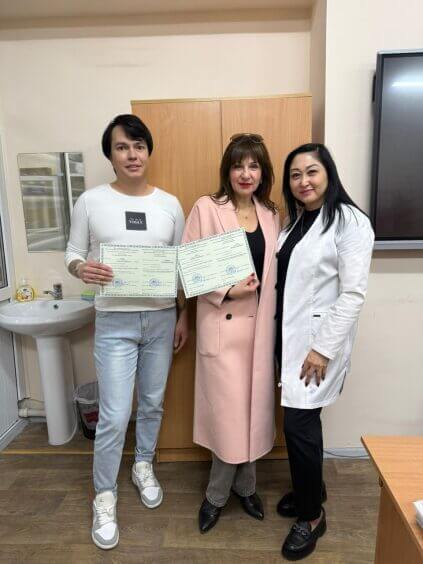
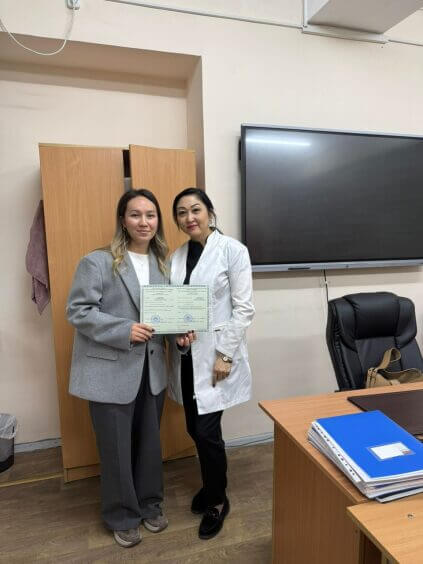
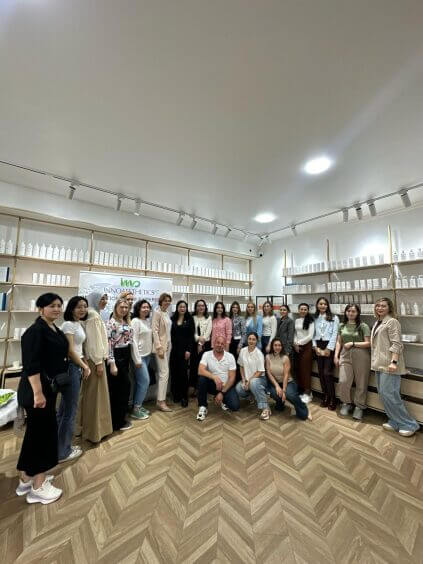
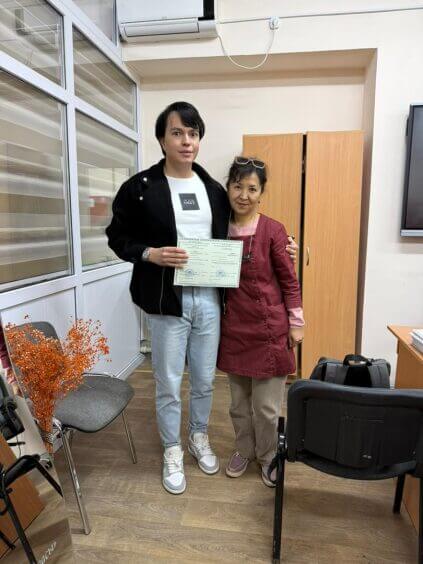
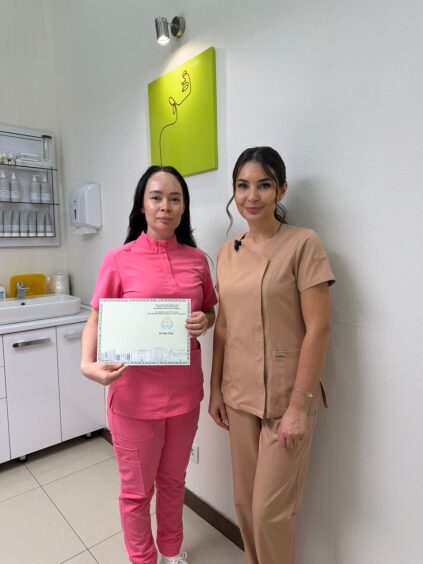
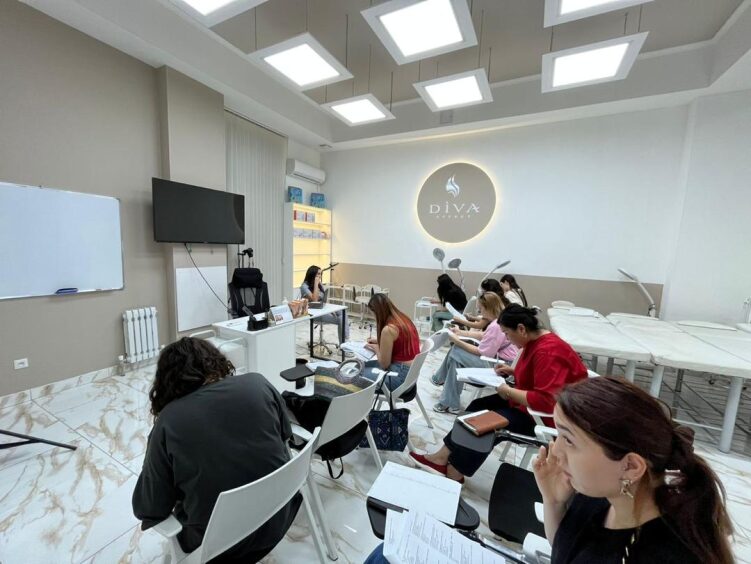
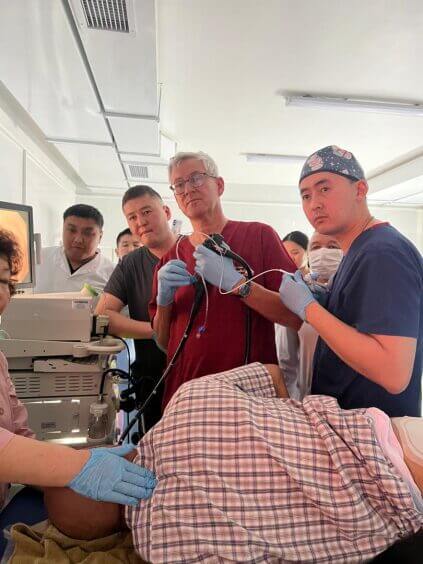
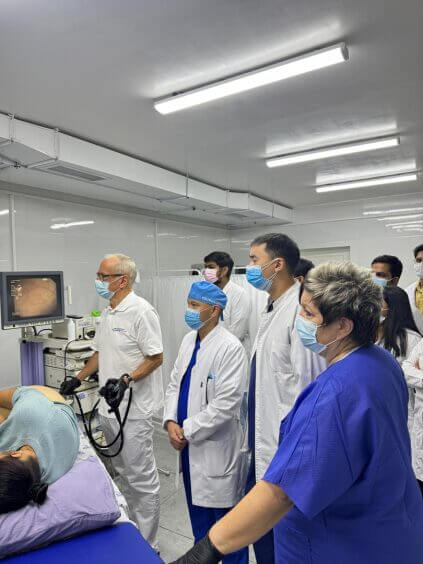
Since January 2026, training has been organized on the basis of the Department of Gastroenterology and Endoscopy of the Academic Clinic No. 7, NCOiG together with the Center for Continuing Education. During the course, students gain theoretical knowledge and practical skills by mastering modern methods of endoscopic research during practical exercises using endoscopic equipment and simulators.
Monitoring and evaluation of educational programs are key processes in the educational cycle.
This process allows you to identify the strengths and weaknesses of the curriculum, helps to determine which teaching methods and materials work effectively and which require changes or improvements. In turn, this provides data for decision-making to improve programs and resources. In addition, taking into account the opinions of the listeners helps to make the courses more relevant and in demand, and it becomes possible to determine to what extent they achieve the stated learning outcomes and general competencies provided by the program.
These factors emphasize the importance of systematic monitoring and evaluation of curricula as a means of improving the overall effectiveness of the educational process.
| Take the questionnaire for conducting training courses at the KSMА Center for Continuous and Distance Learning | Complete the questionnaire for conducting distance learning programs at the KSMА Center for Continuous and Distance Learning |
 |
 |